Planned Inspection and Testing
Schedule suitable checks around the installation, equipment, records and agreed operating windows.

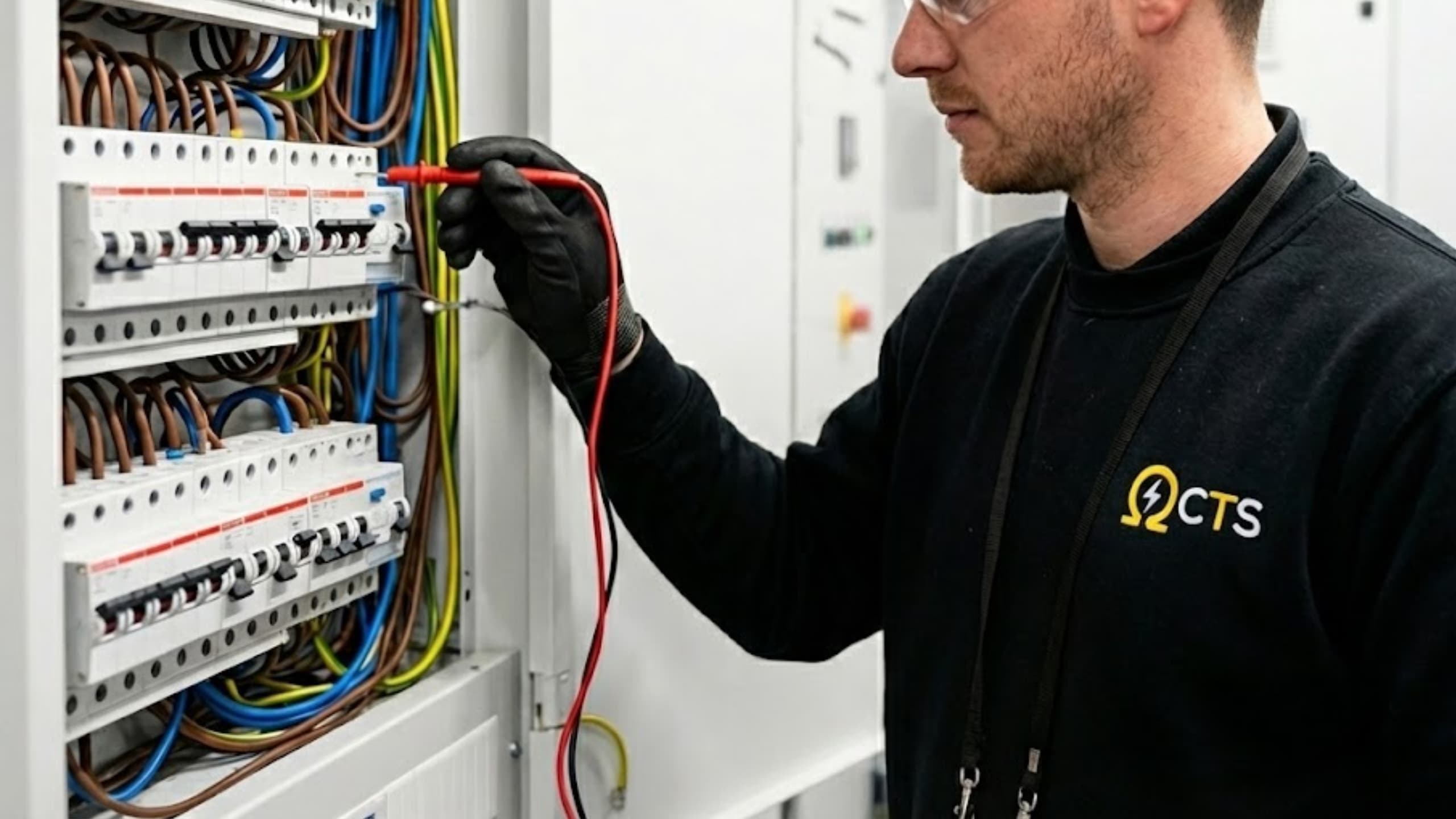
Understand when an electrical issue needs an urgent response and when planned maintenance can help control risk, access and future work.





Planned maintenance is organised before a failure occurs. It can include inspection, testing, condition monitoring and agreed remedial work. Reactive maintenance begins when a fault or unexpected problem needs attention.
Most commercial premises need a sensible combination of both. Planned work helps the facilities team manage known risks and records, while reactive support provides a route for faults that cannot wait for the next scheduled visit.
Plan
Routine Activity
Respond
Unexpected Faults
Review
Results and Priorities
Plan Where Possible
Testing records, equipment condition and operational importance all help shape a proportionate maintenance programme.
The correct route depends on the fault, the immediate risk and the effect on the premises. A remote description should never replace a competent site assessment where danger may be present.
Schedule suitable checks around the installation, equipment, records and agreed operating windows.
Turn EICR observations and recorded defects into prioritised work with suitable access and isolation.
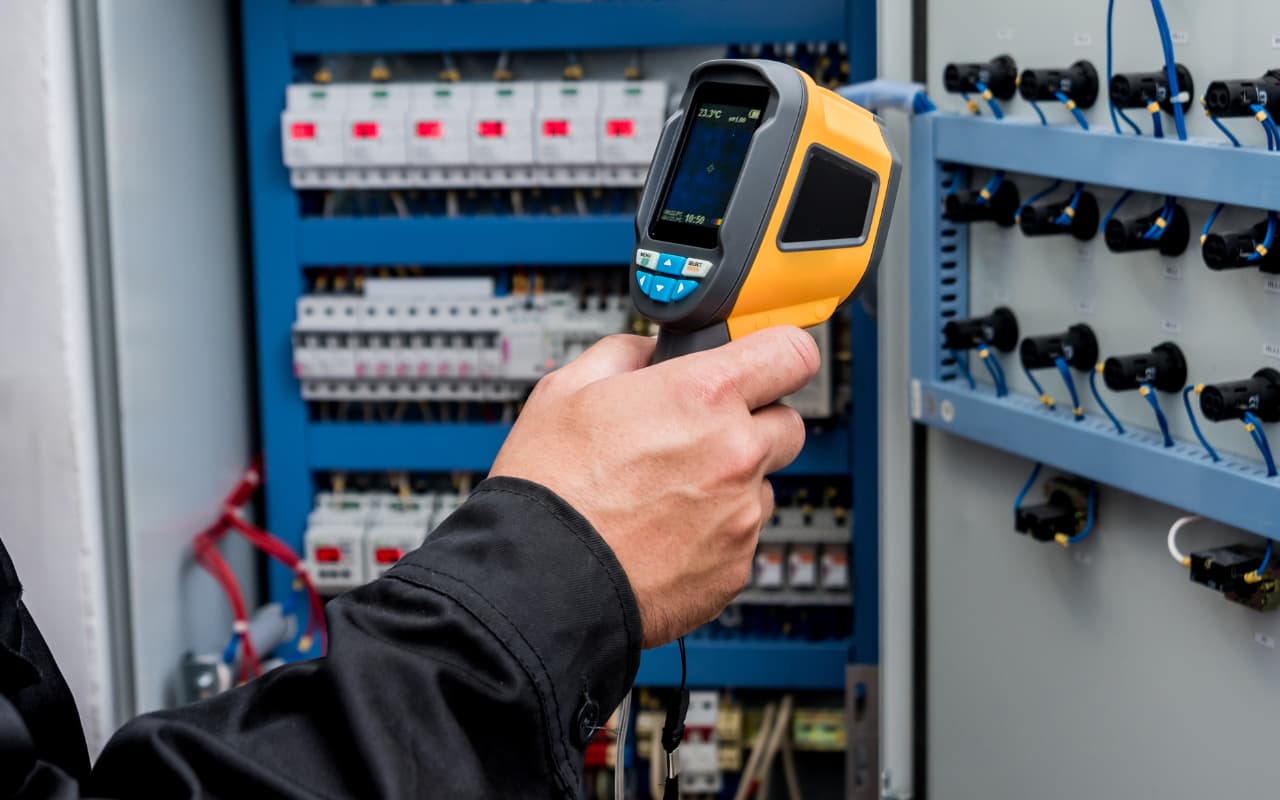
Use thermal imaging and other suitable information to investigate developing concerns within live equipment.
Use reactive support when tripping, loss of supply or another fault interrupts safe operation.
Burning smells, smoke, exposed live parts or signs of overheating need prompt control and competent advice.
Assess how the affected system supports the premises and whether work needs immediate or planned access.
Choose the service that best matches the equipment, installation or action identified in this guide.
Get commercial fault finding and repair support when an electrical problem needs attention.
Use inspection findings to understand the condition of the fixed electrical installation.
Use a thermal survey to investigate abnormal heat within suitable live electrical equipment.
Plan electrical alterations and installation work around occupied commercial premises.
Bring testing, maintenance and remedial priorities into one facilities programme.
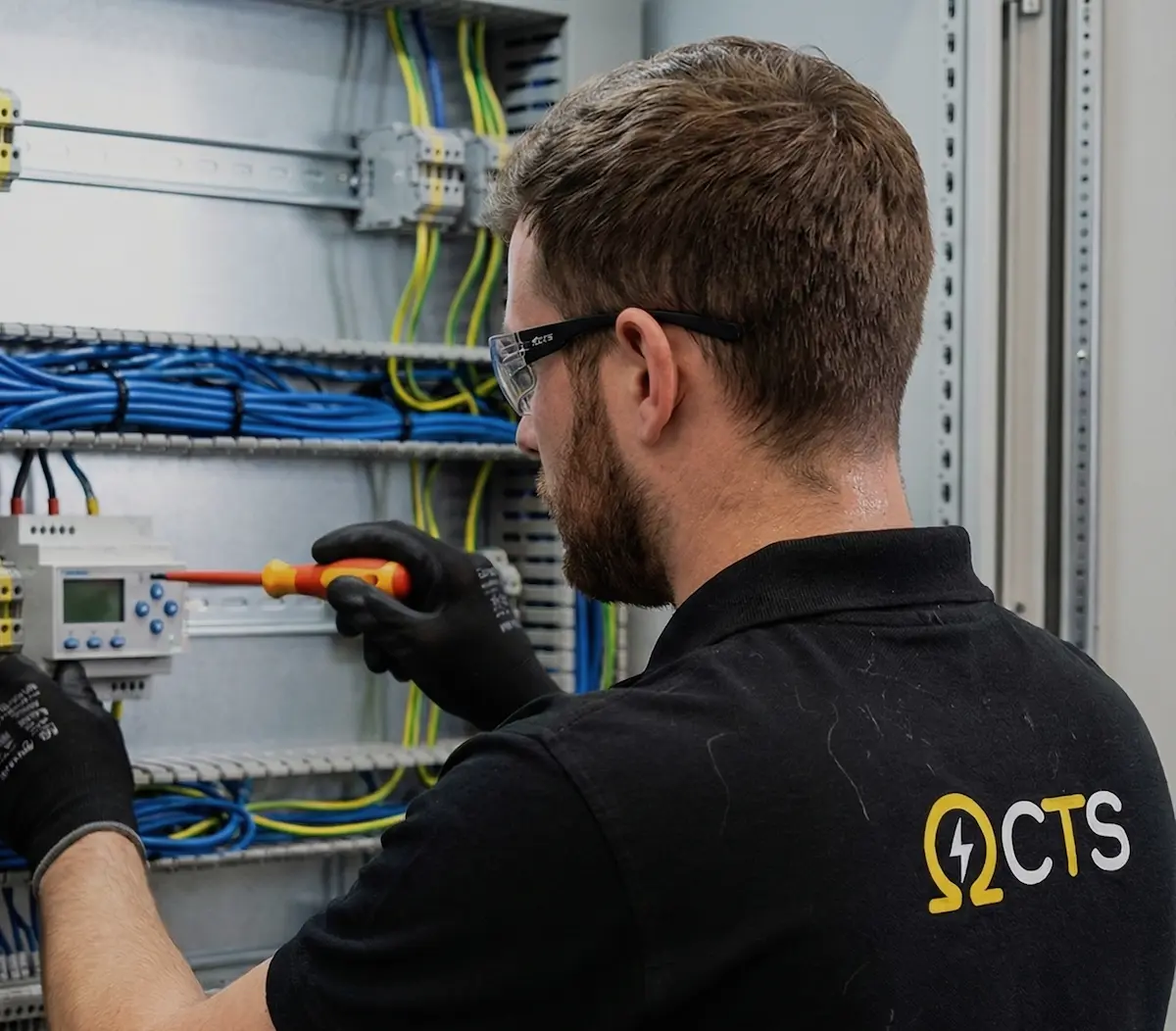
A useful programme brings together the condition of the installation, equipment records and the operational consequence of failure.
Current EICR observations and completed remedial records
Portable and fixed appliance inspection information
Thermal imaging findings where condition monitoring is appropriate
Fault history and repeated problems affecting the same equipment
Critical areas where loss of supply would disrupt operations
Shutdown periods, access restrictions and responsible site contacts
The maintenance strategy should remain proportionate to the premises and change when equipment, use or evidence changes.
Bring together the installation, equipment, records, fault history and operating needs.
Separate immediate safety concerns, known remedial work and routine planned activity.
Agree access, isolation and shutdown windows for work that can be planned.
Record completed work and use new findings to review the future programme.
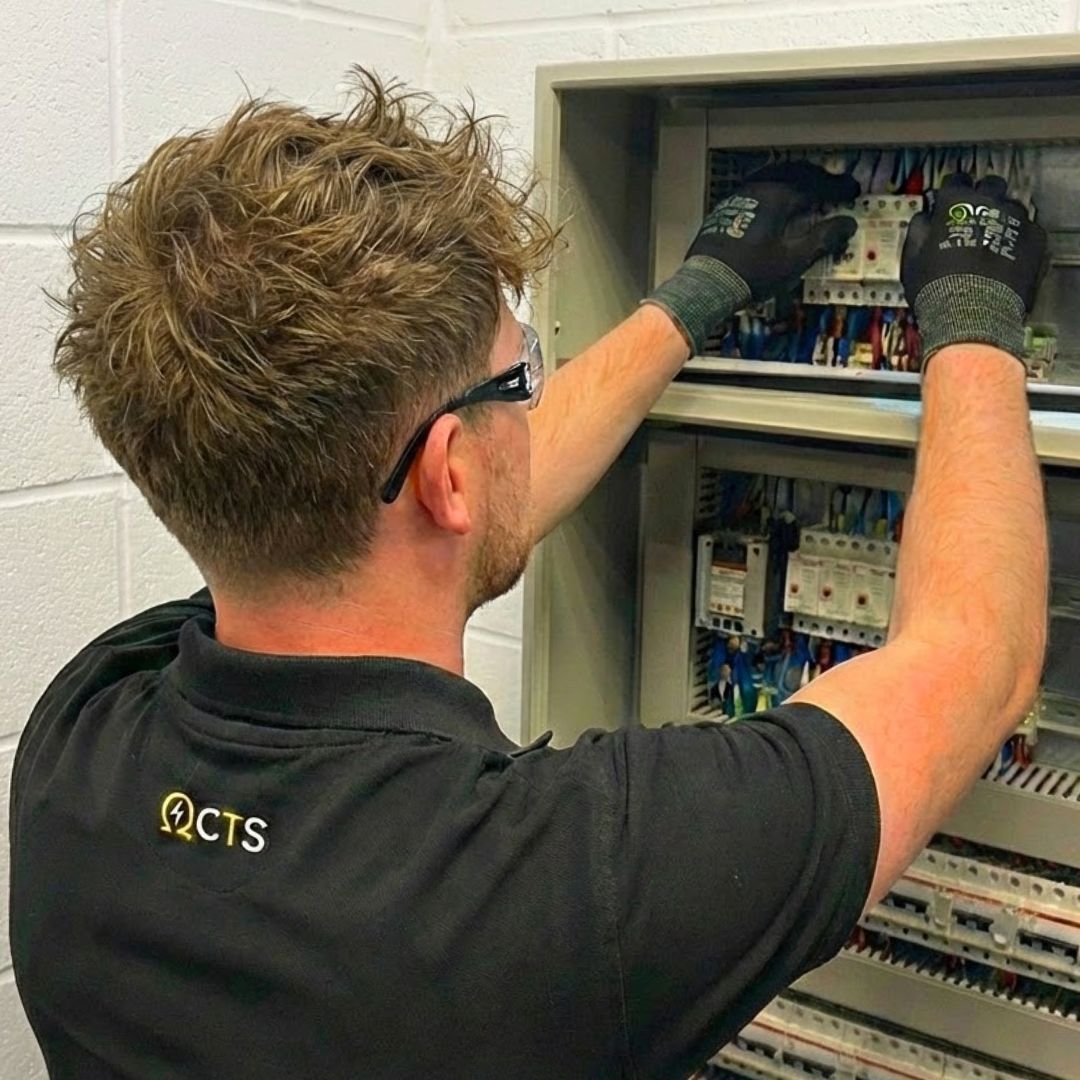
Where the maintenance requirement is unclear, a site survey can help review the premises, existing information and access needs. The date entered is a preference only. CTS will call to confirm availability and arrange a suitable time.
Planned maintenance is organised in advance and can include suitable inspection, testing, condition monitoring and agreed remedial work. The content and timing should reflect the premises, equipment and risk.
Reactive maintenance responds to a fault or unexpected problem after it appears. The urgency depends on the immediate danger, the affected system and the effect on safe operation.
Smoke, burning smells, exposed live parts, sparking or signs of serious overheating need prompt control and competent advice. If there is an immediate threat to people or property, follow the site emergency procedure and contact the emergency services where required.
Yes. Observation codes and supporting information can help separate urgent matters, further investigation and work that can be scheduled around agreed access.
No. Thermal imaging can support condition monitoring by identifying abnormal heat patterns in suitable live equipment. It does not replace the inspection and testing included within an EICR.
Choose a preferred date and tell us about your premises, current records and maintenance priorities. The CTS team will call to confirm availability and arrange a suitable time.
Talk directly to our Lisburn team about scope, access, testing or the best next step for your premises.
Thank you for your enquiry. We will be in touch shortly.
