A Consistent Appliance Register
Use a common way to identify equipment, location and status so records can be understood across every premises.

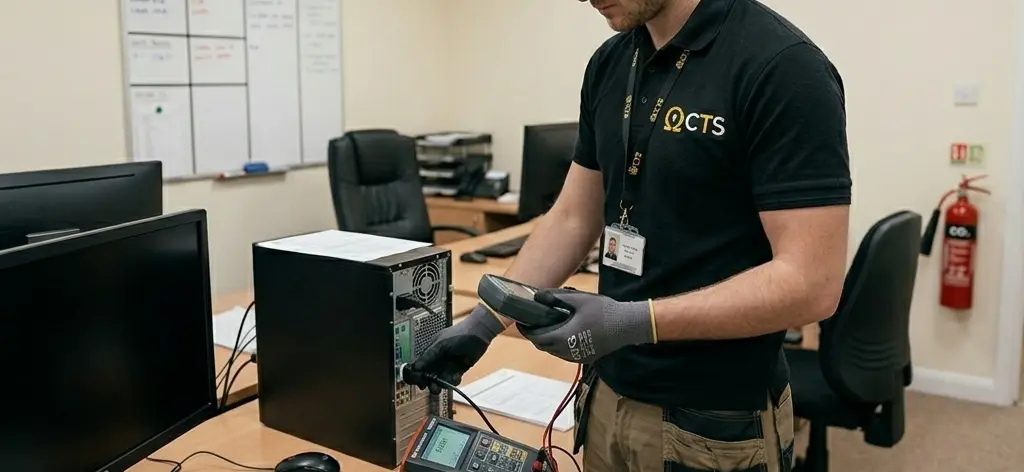
Coordinate testing across every location with one clear plan for access, appliance records, failed items and future inspections.






A multiple site PAT testing programme needs a consistent way to identify equipment, arrange access and record results across every premises. Without that shared structure, facilities teams can be left with different asset references, scattered records and failed items that are difficult to track.
The strongest approach starts with the estate rather than an individual visit. Locations, site contacts, operating hours, equipment groups and existing records should be reviewed before the schedule is agreed.
Map
Every Location
Plan
Access and Timing
Record
Every Result
Consistent Across Every Site
A shared asset and reporting structure helps facilities teams compare results and follow up actions across the estate.
The exact scope will reflect the estate, equipment and operating needs, but each location should follow the same agreed principles.
Use a common way to identify equipment, location and status so records can be understood across every premises.
Confirm who can provide access, explain local restrictions and respond when an item needs attention.
Plan testing around trading hours, occupied areas, school timetables or other site requirements.
Apply the same identification, isolation and reporting steps whenever equipment does not pass.
Keep each location visible while giving the central facilities team a useful view of the wider programme.
Use equipment type, environment, movement and previous findings when reviewing future inspection needs.
Choose the service that best matches the equipment, installation or action identified in this guide.
Plan portable appliance inspection and testing around your premises, equipment and operating hours.
Coordinate electrical testing, maintenance and project support across a Northern Ireland estate.
Bring testing, remedial work and maintenance into one organised facilities programme.
Understand how to control a failed item and record the next action clearly.
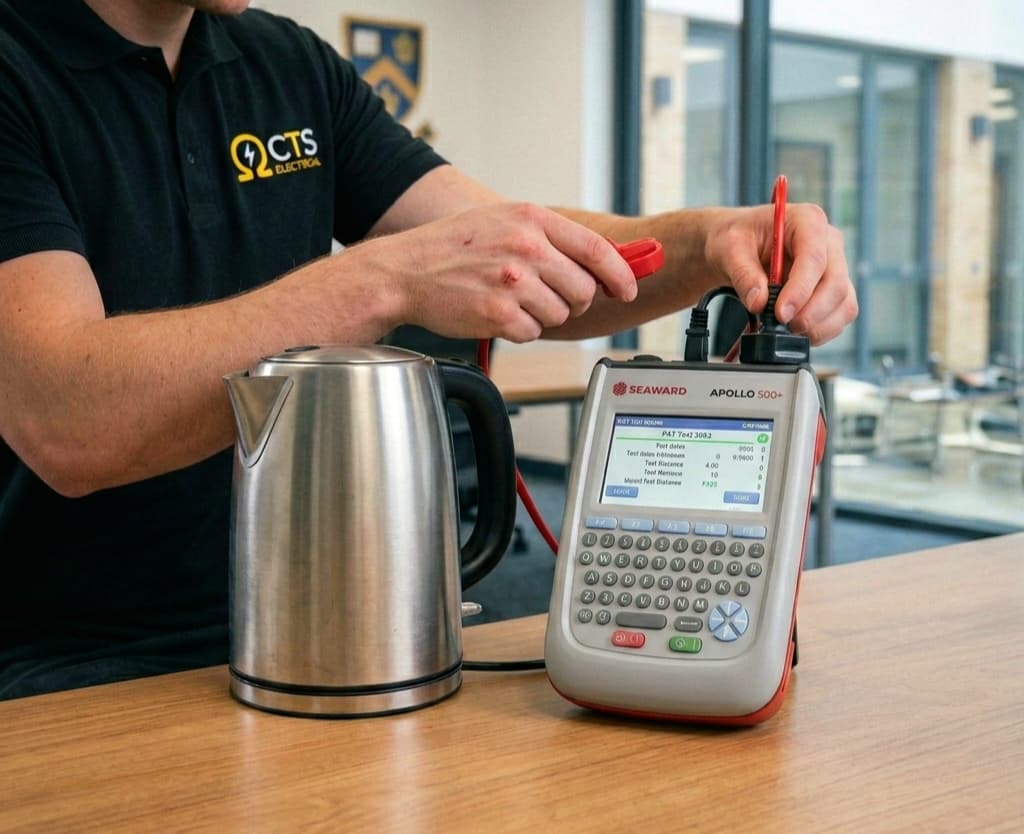
Good preparation reduces avoidable delays and helps the testing team understand what is expected at each location.
A complete list of premises and primary site contacts
Operating hours, access rules and any restricted areas
Existing appliance registers and previous test records where available
Estimated equipment volumes and any specialist equipment groups
The internal process for controlling and resolving failed items
The people who need progress updates and completed records
A repeatable structure helps each location receive the same level of planning, testing and reporting.
Confirm locations, contacts, access requirements, equipment information and current records.
Group visits into a practical sequence that reflects operating hours and local priorities.
Complete the agreed inspection and testing with consistent identification and site records.
Bring results together, track failed items and use the findings to plan future activity.
CTS supports single premises and estates with multiple sites across Northern Ireland. The programme can be arranged around agreed access windows with reporting organised so facilities teams can follow results and actions by location.
Yes. CTS can plan visits across several locations with agreed contacts, access windows and a consistent reporting approach for the wider estate.
Not automatically. The maintenance approach should reflect the equipment, environment, use and previous findings at each location. A common management process can still be used across the estate.
A site list, contact details, access requirements, operating hours and any existing appliance records provide a useful starting point. Estimated equipment volumes also help define the programme.
Each location should use the same clear process for identifying the item, controlling further use, recording the result and confirming the final action.
Yes. Visits can be grouped around agreed operating windows and site availability. The final schedule should reflect the number of premises, equipment volumes and local access needs.
Tell us how many locations you manage, where they are and how testing needs to fit around your operations. The CTS team will review the enquiry and contact you with the most useful next step.
Talk directly to our Lisburn team about scope, access, testing or the best next step for your premises.
Thank you for your enquiry. We will be in touch shortly.