Hand Dryers
Washroom hand dryers are commonly connected through a fused connection unit and should be identified within the equipment review.


Understand how hard wired equipment should be assessed and where fixed appliance testing sits alongside PAT testing and an EICR.






Fixed appliances are connected directly to the electrical installation rather than through an ordinary plug and socket. Common examples include hand dryers, water heaters and some commercial kitchen equipment.
Because the connection and construction differ from portable equipment, the inspection and testing method must suit the appliance. The scope should be agreed by someone who understands the equipment, how it is used and the environment in which it operates.
Identify
The Equipment
Isolate
Where Required
Record
The Result

Define the Right Scope
The connection method, equipment type and operating environment help determine the suitable assessment.
These examples help organisations recognise equipment that may not appear on a portable appliance register. The exact testing requirement still depends on competent assessment.
Washroom hand dryers are commonly connected through a fused connection unit and should be identified within the equipment review.
Local water heating equipment may be wired directly into the installation and exposed to regular use or moisture.
Commercial ovens, dishwashers and other fixed kitchen equipment may need assessment outside the ordinary PAT programme.
Fixed tools and machinery should be reviewed according to their connection, construction and working environment.
Storage heaters and similar fixed equipment may require inspection that includes the appliance rather than only the supply circuit.
A room by room survey can identify appliances that are connected through isolators or fused connection units.
Choose the service that best matches the equipment, installation or action identified in this guide.
Arrange inspection and testing for suitable hard wired commercial equipment.
Plan inspection and testing for portable and moveable workplace equipment.
Assess the condition of the building electrical installation with clear observations.
Review the equipment groups that should be considered within a workplace maintenance programme.
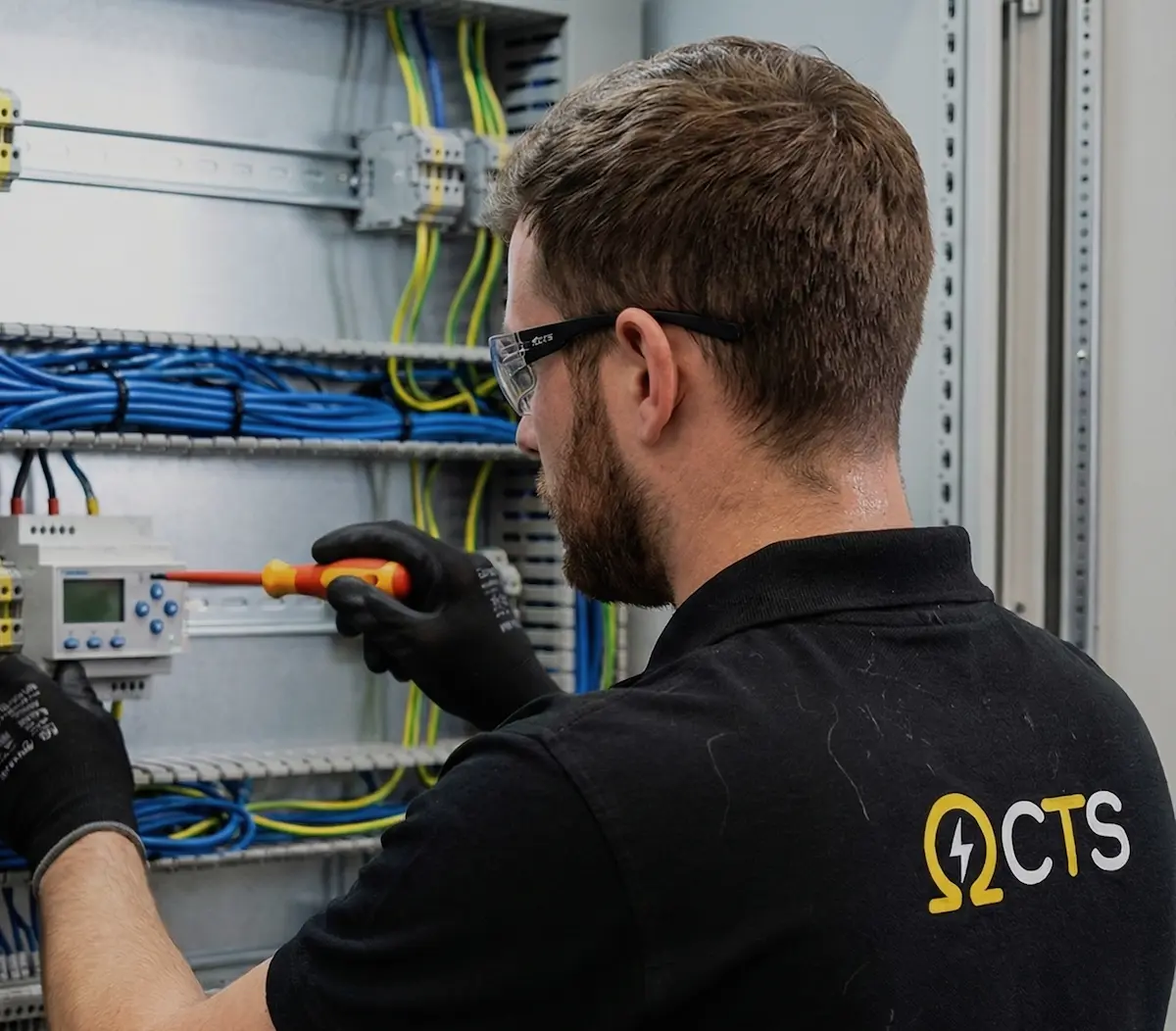
The three services assess different parts of workplace electrical safety. Defining those boundaries helps avoid missed equipment and duplicate work.
PAT testing covers portable and moveable equipment within the agreed programme
Fixed appliance testing assesses suitable hard wired or secured equipment
An EICR assesses the condition of the building electrical installation
The connection point should be identified before deciding the testing method
Visual inspection remains an important part of equipment assessment
The programme should reflect equipment risk and previous findings
The exact tests depend on the appliance and connection, but the management process should remain clear and traceable.
Confirm the equipment, connection method, location and available manufacturer information.
Agree access and any isolation needed to assess the equipment safely.
Complete suitable visual inspection and electrical tests according to the equipment and competent assessment.
Record the item, result, finding and any recommended next action.
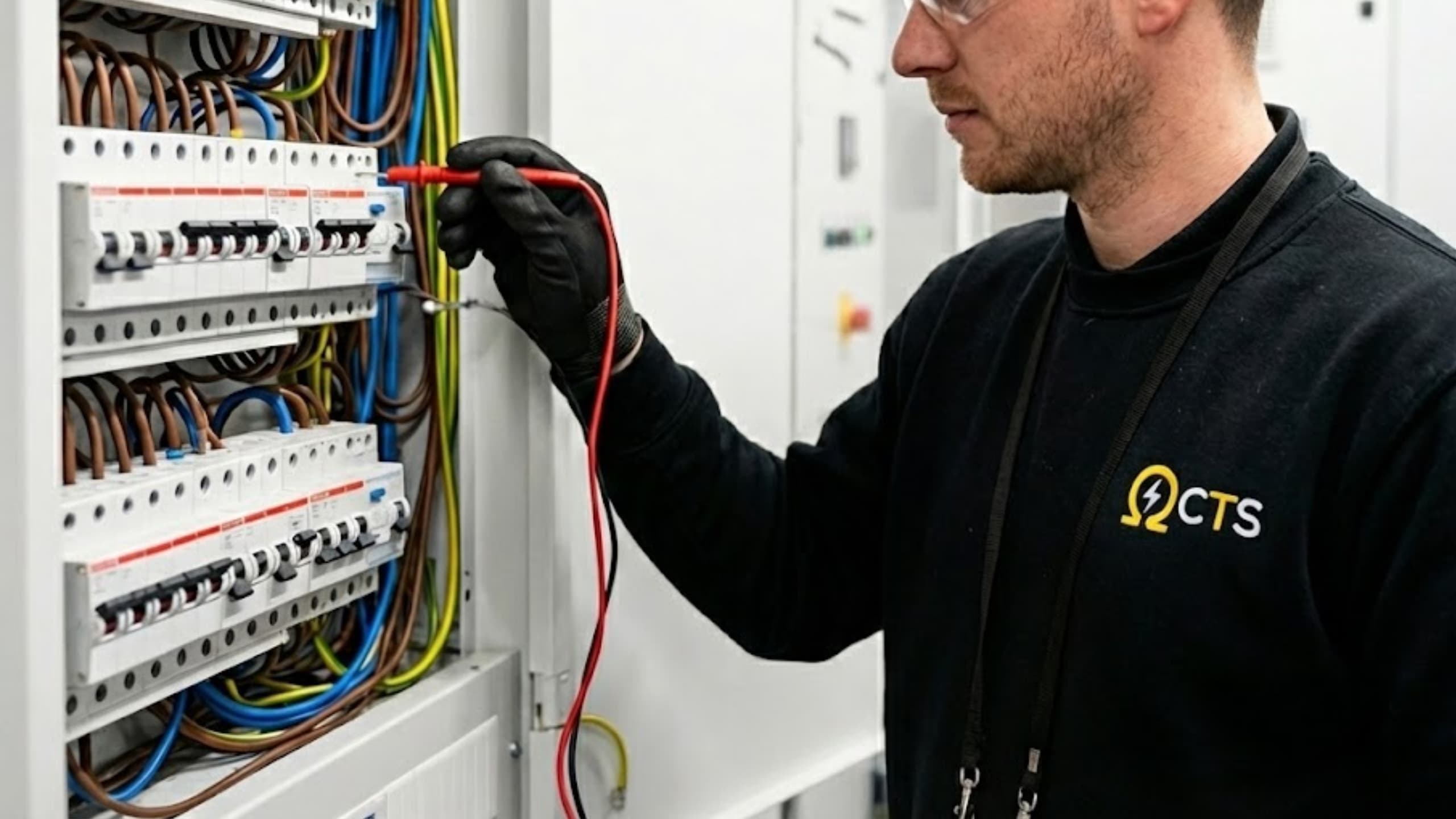
There is no single interval that suits every appliance. Equipment type, environment, movement, use, manufacturer information and previous findings should inform the maintenance approach.
A fixed appliance is generally equipment connected directly to the electrical installation through a fused connection unit, isolator or another fixed connection rather than an ordinary plug and socket.
A hand dryer that is wired directly into the installation is normally considered within fixed appliance assessment rather than ordinary portable appliance testing. The connection should be confirmed before the scope is agreed.
An EICR assesses the condition of the fixed electrical installation. A connected appliance may need a separate assessment to cover the equipment beyond its connection point.
No universal annual interval applies to every item. The maintenance approach should reflect the equipment, environment, use, manufacturer information and previous findings.
The record should identify the equipment, location, inspection or test date, result and any finding that requires further action. The exact document format depends on the agreed scope.
Choose a preferred date and tell us about the hard wired equipment at your premises. The CTS team will call to confirm availability and arrange a suitable time.
Talk directly to our Lisburn team about scope, access, testing or the best next step for your premises.
Thank you for your enquiry. We will be in touch shortly.

