Previous Test Records
Gather the logbook, recent reports and any outstanding defects. These help identify what was checked previously and what still needs attention.

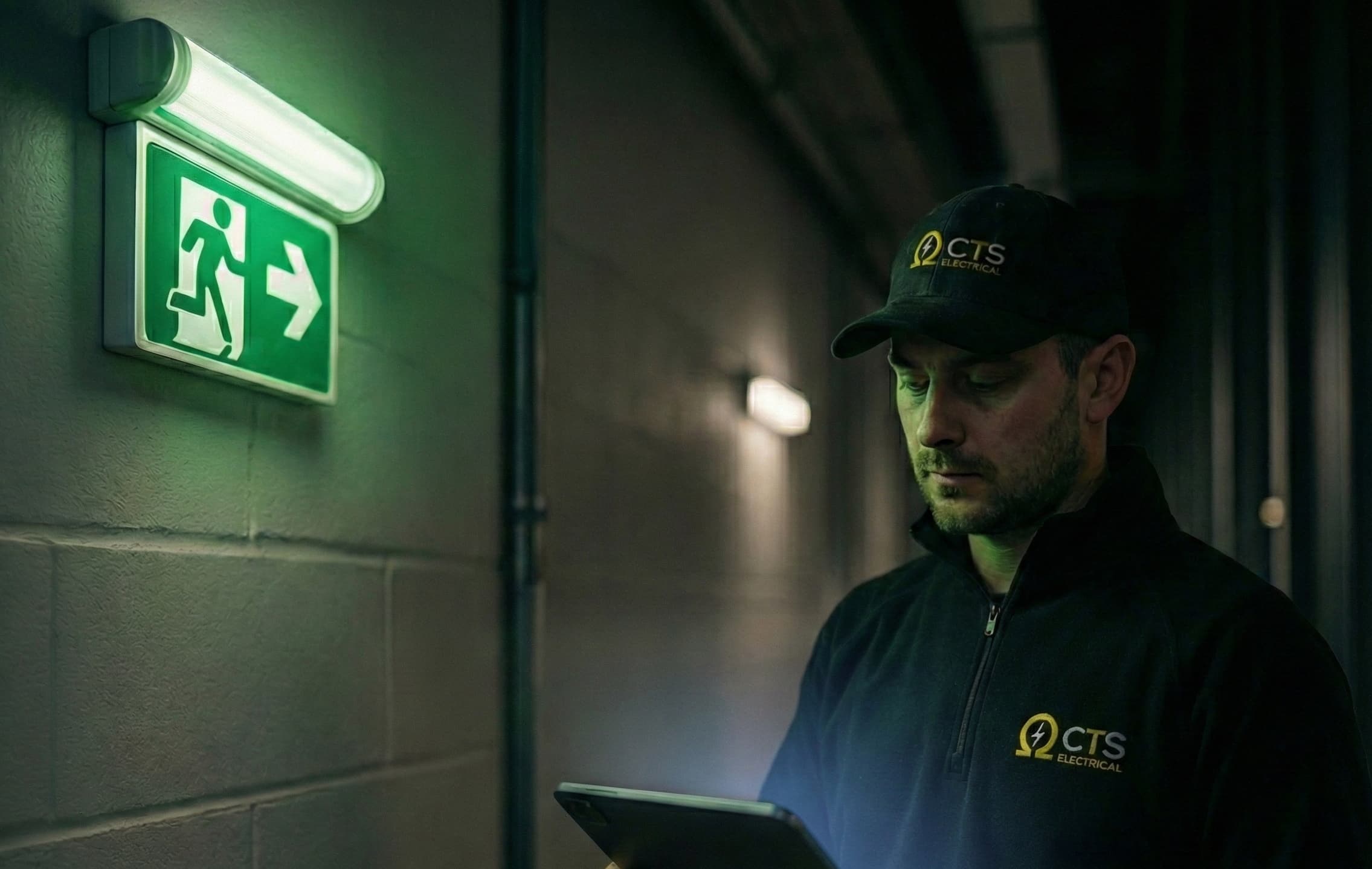
Arrange access, gather existing records and plan emergency lighting testing around your building, occupants and operating hours.






An emergency lighting test is easier to organise when the engineer knows what to expect before arriving. Existing records, access arrangements and the hours your premises is occupied all help define a sensible plan.
For an office, that may mean coordinating with a facilities contact. A shop may need access to stockrooms and shared escape routes. A school may need specific arrangements for secure areas and staff availability. Share those details when you request the visit.
CTS Electrical Services provides emergency lighting testing in Northern Ireland. This guide explains the practical preparation for the appointment, from identifying the test required to keeping track of the findings afterwards.
Gather
The Records
Agree
The Access
Plan
The Timing
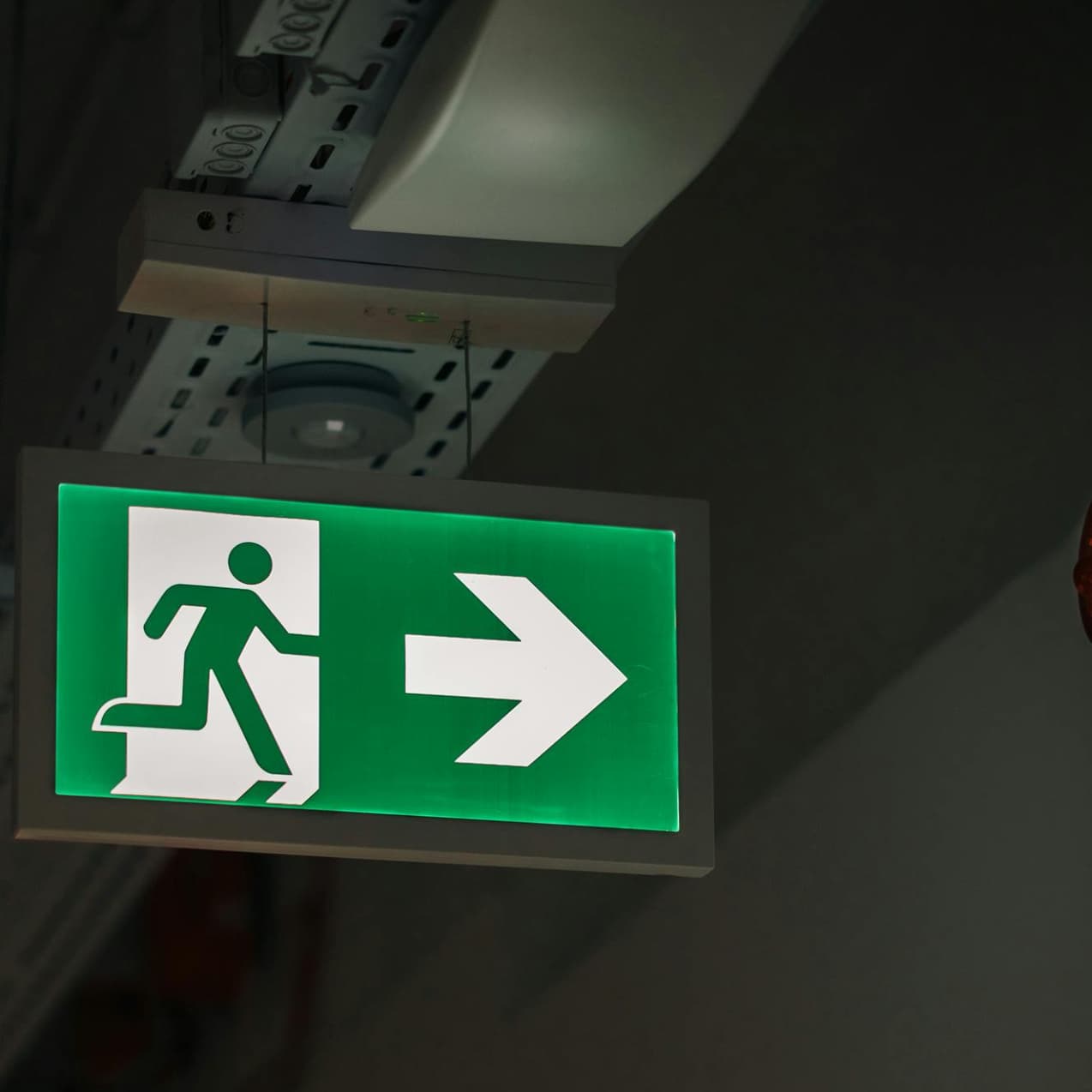
Plan the Full Visit
Include access, testing and the battery recharge period
You do not need every answer before making an enquiry. Share what you know and explain where the records or arrangements need further discussion.
Gather the logbook, recent reports and any outstanding defects. These help identify what was checked previously and what still needs attention.
Include stairs, corridors, staff areas and relevant external routes. Identify shared areas and clarify which organisation is arranging their testing.
Share an existing fitting list or layout if available. Mention automatic testing arrangements or a central battery system so the engineer can discuss the appropriate approach.
Explain inductions, escorts, locked rooms and areas that cannot be accessed freely. Keep escape routes clear while arranging access to the equipment.
Provide opening times and periods when the premises is occupied. Testing and battery recharge both need consideration when choosing a suitable appointment.
Choose someone who can explain the building and receive the findings. Agree who can authorise further work if defects are identified.
Choose the service that best matches the equipment, installation or action identified in this guide.
A short functional test checks that emergency lights operate when the normal lighting supply is simulated as failing. A full duration test checks operation for the system’s rated emergency period. A brief check cannot establish that a battery will last for the full required time. Confirm the scope with the engineer rather than assuming every visit involves the same test.
Confirm whether the visit covers functional testing or a full duration test
Share the system rating and manufacturer information where available
Identify test facilities and arrange authorised access to them
Discuss the effect of the test on occupied areas and escape routes
Agree who will be on site and who should receive the results
Allow for battery recharge and any necessary temporary arrangements
Preparation supports a useful visit. The engineer will need to confirm the system and safe testing arrangements before carrying out the agreed work.
Walk through the relevant areas and records with your contact. Highlight known problems, changed layouts and equipment that may be difficult to reach.
The engineer uses the appropriate test arrangements and records the findings. Tell staff about agreed testing so changes in lighting are understood.
Normal supply and charging arrangements need checking after testing. Discuss any defect and the implications for the premises before treating the visit as complete.
Keep the report with your maintenance records. Allocate responsibility for repairs, further access or additional assessment and record when each action is completed.
A full duration test uses the emergency battery supply, so protection may be reduced during the subsequent recharge period. The Lighting Industry Association recommends planning testing at a suitable time with adequate allowance for recharge. Discuss this before the visit, especially in continuously occupied premises. The right arrangements depend on the equipment, manufacturer information and building risk. Do not assume that every premises must close or can remain occupied without further assessment.
It depends on the test required, system rating, number of fittings and access. A full duration test involves the rated emergency period, often three hours, with additional time for checks and records. Ask CTS to discuss the likely visit arrangements for your premises.
Not necessarily. The method depends on the system and its test facilities. Ask the engineer to explain the planned approach and any effect on normal lighting. Do not switch off building supplies yourself in preparation for the appointment.
There is no universal answer. Occupancy, escape arrangements and the available protection during testing and recharge must be considered. Discuss these with the engineer and the person managing fire safety before agreeing the timing.
Tell CTS before the visit. Share the documents you do have and explain any known changes or defects. The team can discuss what information is needed to establish the scope and any further assessment required.
Yes. Automatic tests still need their results reviewed and recorded, with faults followed up. Share the system details so the engineer can discuss how the results are accessed and what inspection or maintenance is needed.
The failed fitting should be identified in the findings and referred for appropriate action. The person managing fire safety needs advice on any immediate precautions. Agree the repair scope and retain a record of the work and any subsequent checks.
Tell us your premises location, approximate number of emergency lights and preferred timing. Mention restricted access or continuous occupation. The CTS team will discuss the scope and confirm availability.
Talk directly to our Lisburn team about scope, access, testing or the best next step for your premises.

Thank you for your enquiry. We will be in touch shortly.