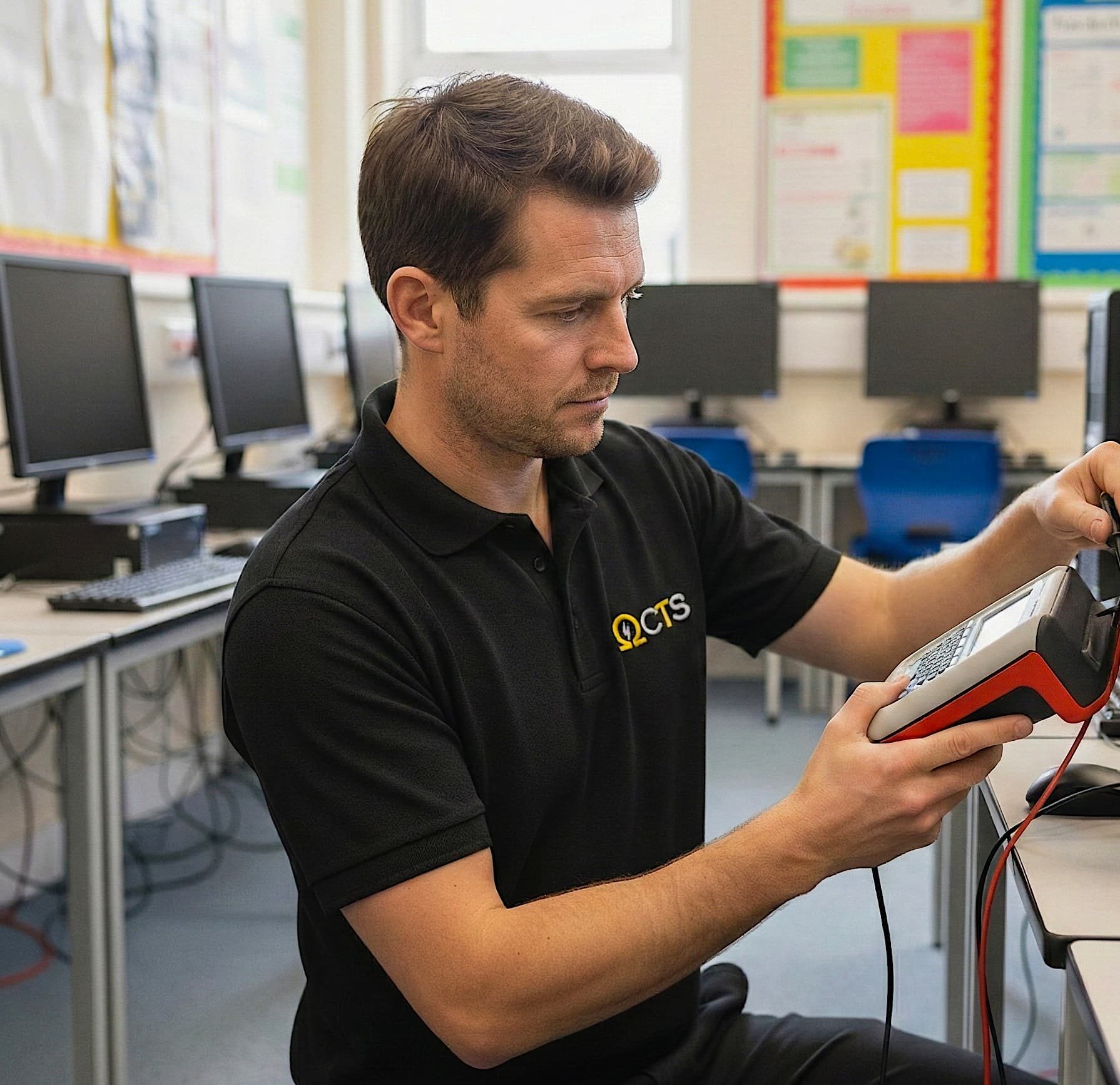
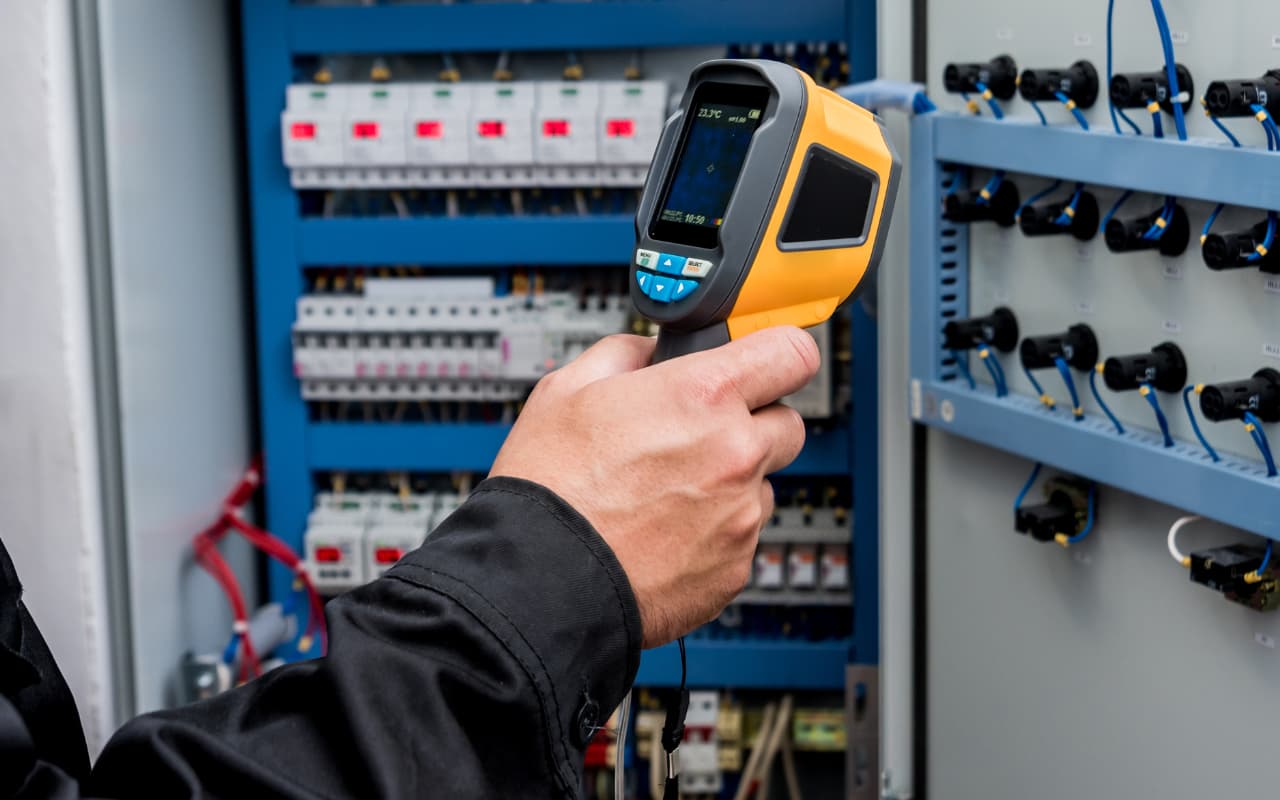





CTS engineer using thermal imaging to inspect commercial electrical equipment

8 Warning Signs Of An
Electrical Fire Risk In Your Workplace

Learn how to recognise the early signs of overheating, arcing and overloaded circuits before a developing fault threatens your people, premises or working day.

Workplace Electrical Safety
11 August 2026
8 Minute Guide
By CTS Fire & Security
Why Early Action Matters

Most Developing Faults Leave Clues

Commercial installations supply more equipment, more circuits and more operating demands than most homes. Loose connections, deteriorated accessories and overloaded equipment can create localised heat long before a fire starts.

Good electrical safety combines everyday awareness with proportionate inspection, testing and competent repair. The aim is not to create alarm. It is to notice change and act while the problem is still controllable.

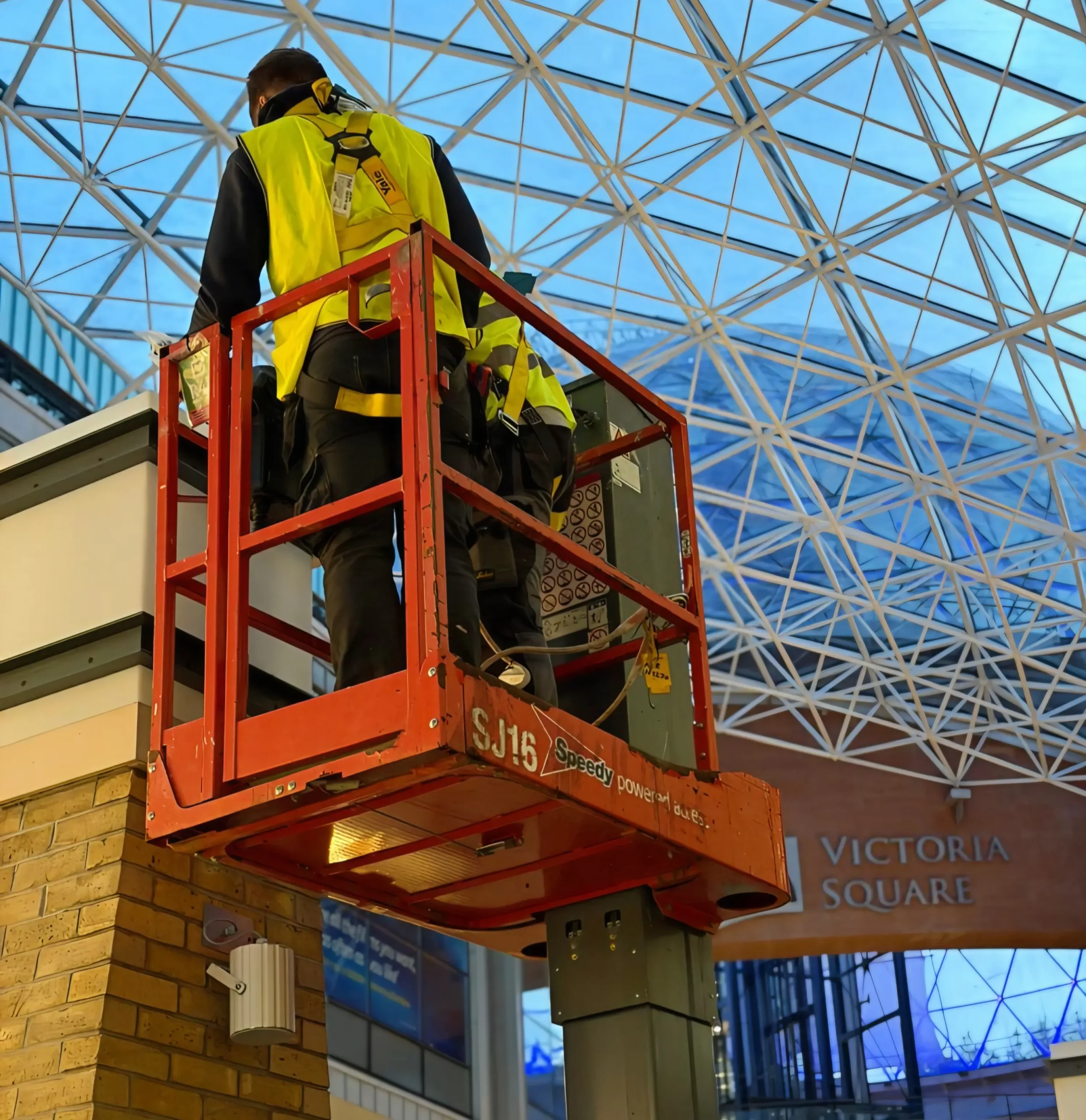
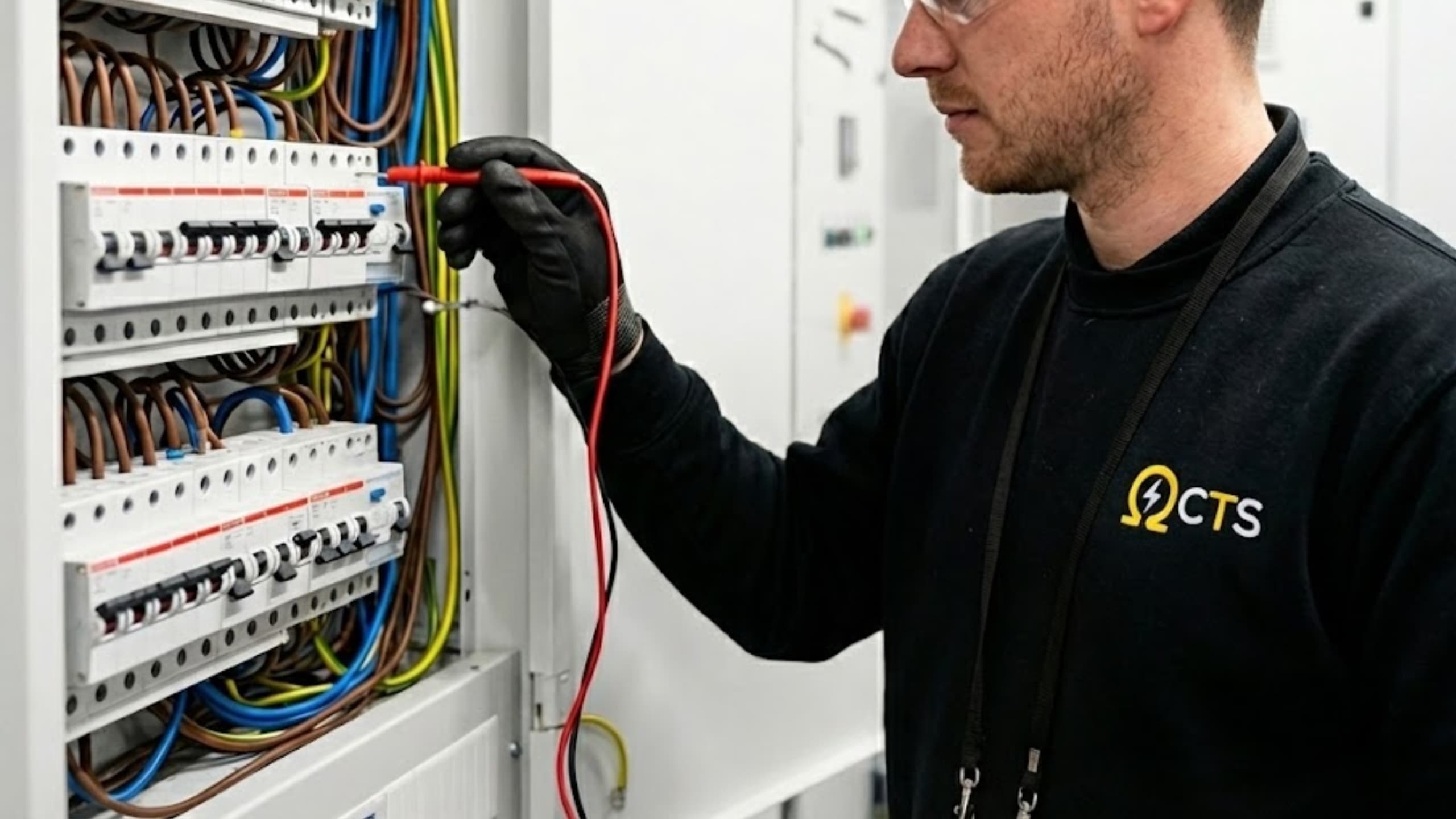
CTS commercial electrical safety audit
Find Hidden Heat

Immediate Danger

Smoke, Visible Arcing Or Rapid Heat?

Raise the alarm, move people to safety and call 999 if a fire has started. Stop use and isolate the supply only when it is safe. Never ask untrained staff to open electrical equipment.

The 8 Warning Signs

Know What Should Trigger Action

One sign does not diagnose the fault. It tells you where a competent inspection should begin.

01

Flickering Or Dimming Lights

What It May Mean

Lights that change when other equipment starts can point to a loose connection, damaged wiring or a circuit under strain.

What To Do

Record when it happens and arrange inspection if a lamp change does not resolve it.
02

Repeated Breaker Tripping

What It May Mean

Protective devices disconnect a circuit when they detect conditions such as excess current or a fault.

What To Do

Do not keep resetting the breaker without finding the cause. Ask a competent electrician to investigate.

03

Burning Or Fish-Like Odours

What It May Mean

An unusual hot, metallic or fish-like smell may come from overheated insulation, terminals or plastic accessories.

What To Do

Stop using the affected area or equipment. Isolate only if safe and arrange an urgent inspection.

04

Buzzing Or Crackling Sounds

What It May Mean

Electrical installations should normally operate quietly. Buzzing or crackling can indicate a loose connection or arcing.

What To Do

Keep people clear and have the source checked promptly by a competent electrician.

05

Damaged Or Ageing Equipment

What It May Mean

Split cables, broken plugs, cracked casings and poorly repaired equipment expose people and premises to avoidable risk.

What To Do

Take damaged equipment out of use, label it clearly and arrange repair or replacement.

06

Warm Or Discoloured Sockets

What It May Mean

Heat, scorch marks or brown discolouration can indicate poor contact, overload or deterioration behind the accessory.

What To Do

Stop using the socket and arrange inspection. Do not cover the evidence with a replacement faceplate alone.

07

Sparking Or Popping At Outlets

What It May Mean

Repeated, large or noisy sparks can point to a loose connection, damaged accessory or fault within connected equipment.

What To Do

Stop using the outlet or appliance and have both checked before they return to service.

08

Outdated Or Overloaded Systems

What It May Mean

Older installations may not suit the way a modern workplace uses power, particularly after years of additions and equipment changes.

What To Do

Use periodic fixed electrical inspection to identify deterioration, defects and unsuitable alterations.

Daily Risk Control

How To Monitor Your Site

Make electrical concerns easy to spot, easy to report and difficult to ignore.

01Site Routine

Make Visual Checks Routine

Include plugs, leads, sockets, distribution equipment and high-use appliances in workplace walkarounds. Record what was checked and act on change.

02Site Routine

Give Staff A Clear Route To Report

Ask people to report heat, smells, noise, repeated trips or damaged equipment immediately. Make sure concerns reach the person who can take action.

03Site Routine

Build Planned Inspection Around Risk

Set inspection intervals that reflect equipment type, use, environment and previous findings. Review the plan when your premises or processes change.

The Professional Safety Net

Choose The Inspection That Fits The Risk

The services work together, but each answers a different question about your electrical installation and equipment.

Fixed wire electrical inspection in Northern Ireland

Fixed Wire Testing & EICR

Assess the condition of the fixed installation, record coded observations and define remedial priorities.

Explore Service
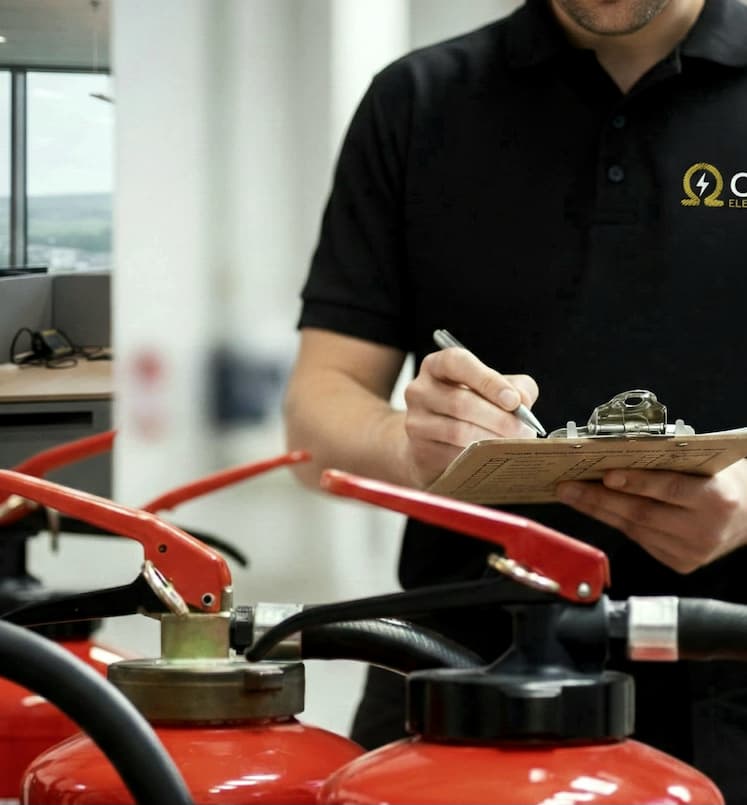
Commercial portable appliance testing by CTS

PAT Testing

Check portable equipment in proportion to how it is used, the environment and the likelihood of damage.

Explore Service
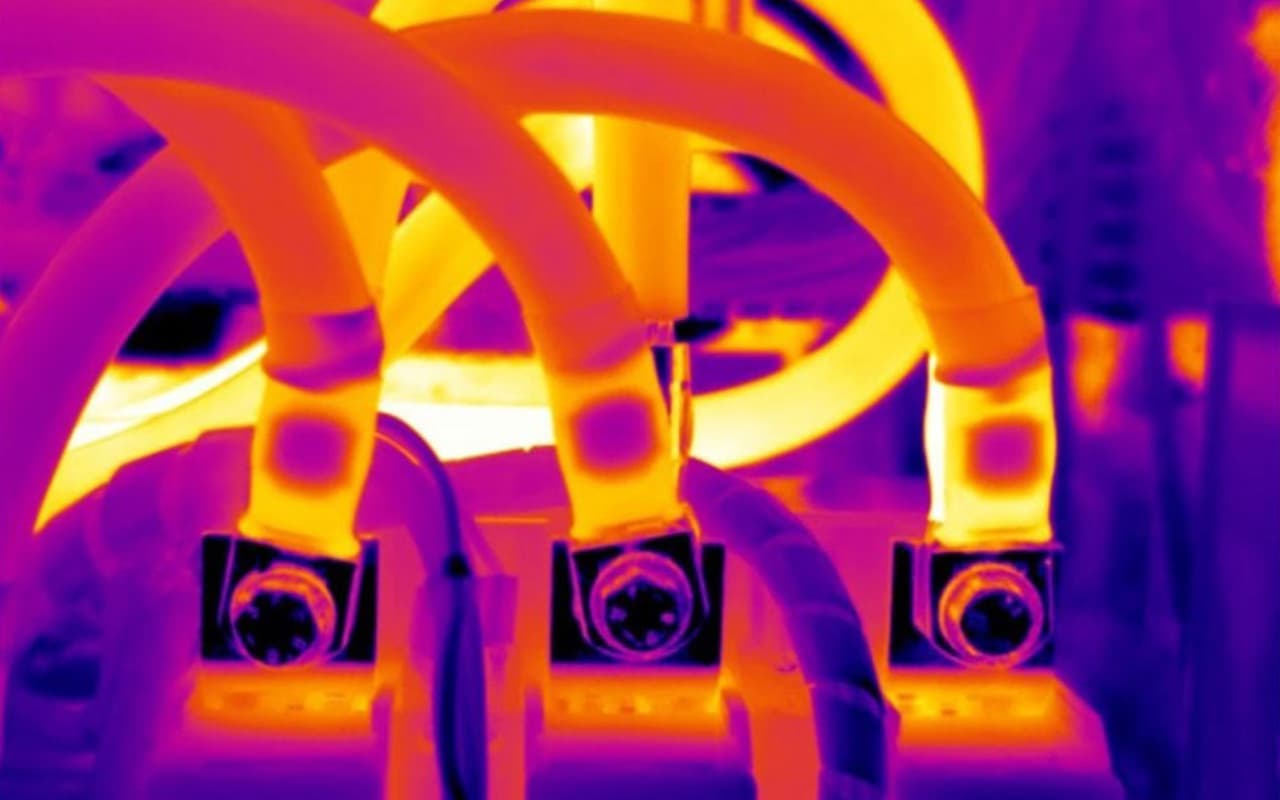
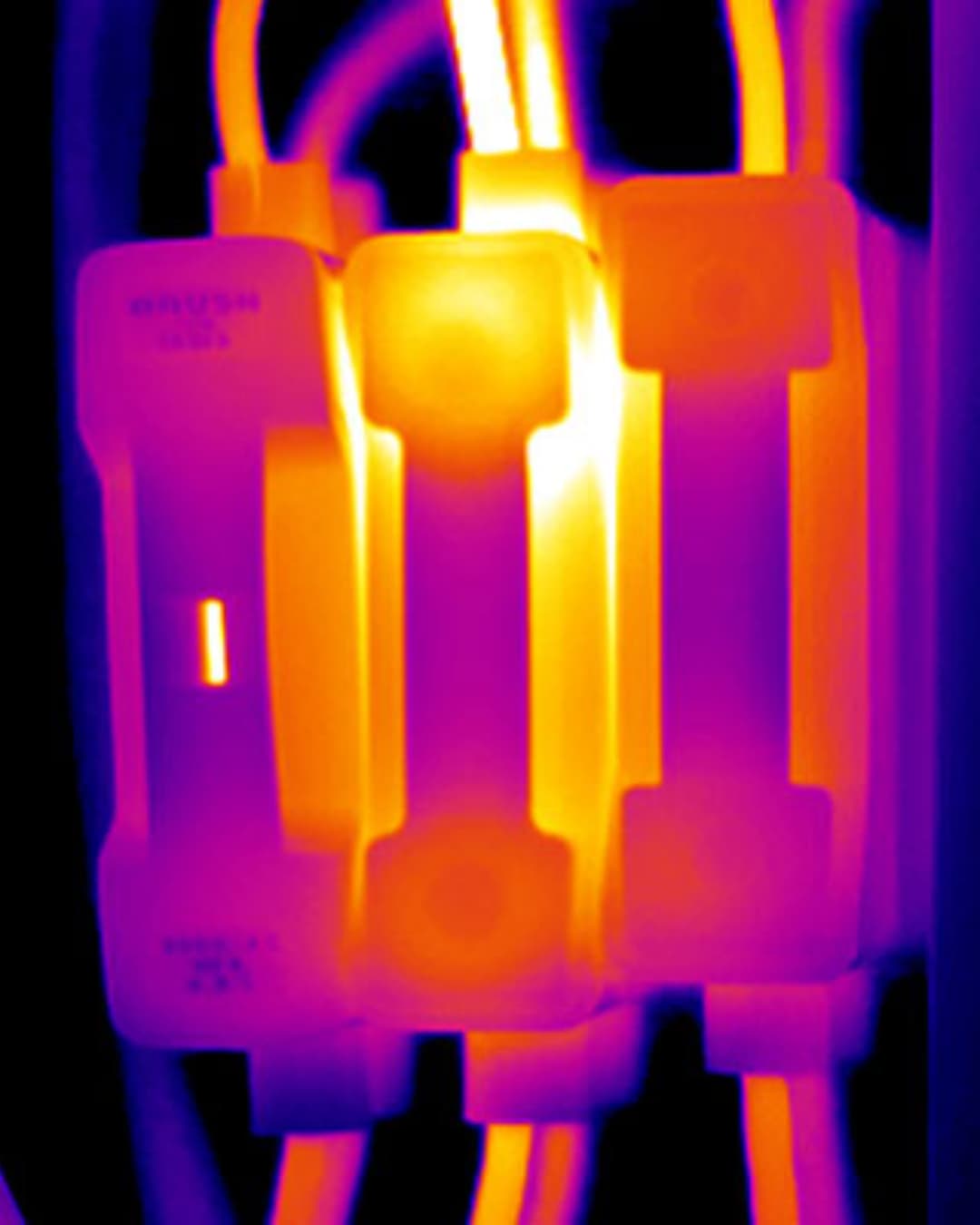
Thermal image inspection of an electrical distribution board

Thermal Imaging

Identify abnormal heat in live electrical equipment without waiting for visible damage or unplanned failure.

Explore Service
CTS directly employed electrical engineers in Northern Ireland

One CTS Team

Inspection, Clear Findings & Reliable Remedial Work

Minimise Your Fire Risk

Do Not Wait For A Convenient Failure

If a warning sign appears, treat it as new information about your installation. Remove damaged equipment from use, follow competent advice and record the action taken.

Arrange urgent inspection where heat, odour, noise or repeated tripping is present

Choose accredited contractors with commercial testing experience

Plan remedial work around risk, not around the cheapest temporary option

Keep inspection and repair records with your wider safety documentation

Arrange An Inspection
Frequently Asked Questions

Clear Answers Before You Act

Keep people away from the affected area, stop using nearby equipment and isolate the supply only when it is safe to do so. Arrange an urgent inspection by a competent electrician. If there is smoke or fire, raise the alarm, leave the building and call 999.

A single trip can have a straightforward cause, but repeated tripping should never be treated as normal. It indicates that the protective device is responding to a condition that needs to be identified by a competent electrician.

No. Thermal imaging is a valuable condition-monitoring tool that can identify abnormal heat while equipment is operating. It complements fixed electrical inspection and testing but does not replace an EICR.

Inspection and test intervals should be based on the equipment, environment, use and previous findings. A competent contractor can help you set a proportionate maintenance programme for the fixed installation and portable appliances.

Often, yes. We plan access, testing and any necessary isolation around your operating requirements. Some tests require controlled shutdowns, which we agree with you in advance.

Official Guidance Used For This Article

This guide reflects HSENI advice that poor electrical installations and faulty equipment can lead to fire, that equipment should remain in good working order and that maintenance arrangements should be proportionate to risk.

This article provides general guidance and does not replace a suitable fire risk assessment, electrical inspection or advice for the specific conditions at your premises.

Request Sent!

A CTS Fire & Security specialist will be in touch shortly.

Request a Site Survey

Tell Us What You Need to Protect

Share a few details and our team will recommend the right testing scope for your premises with clear costs before work is scheduled.

Arrange An Electrical Fire Risk Inspection

Tell us what you have noticed and where the concern is located. Our team will recommend the most suitable inspection scope.

1. Select Required Services

2. Your Details

3. How Did You Find Us?

Call Now Book Survey