Loose Connections
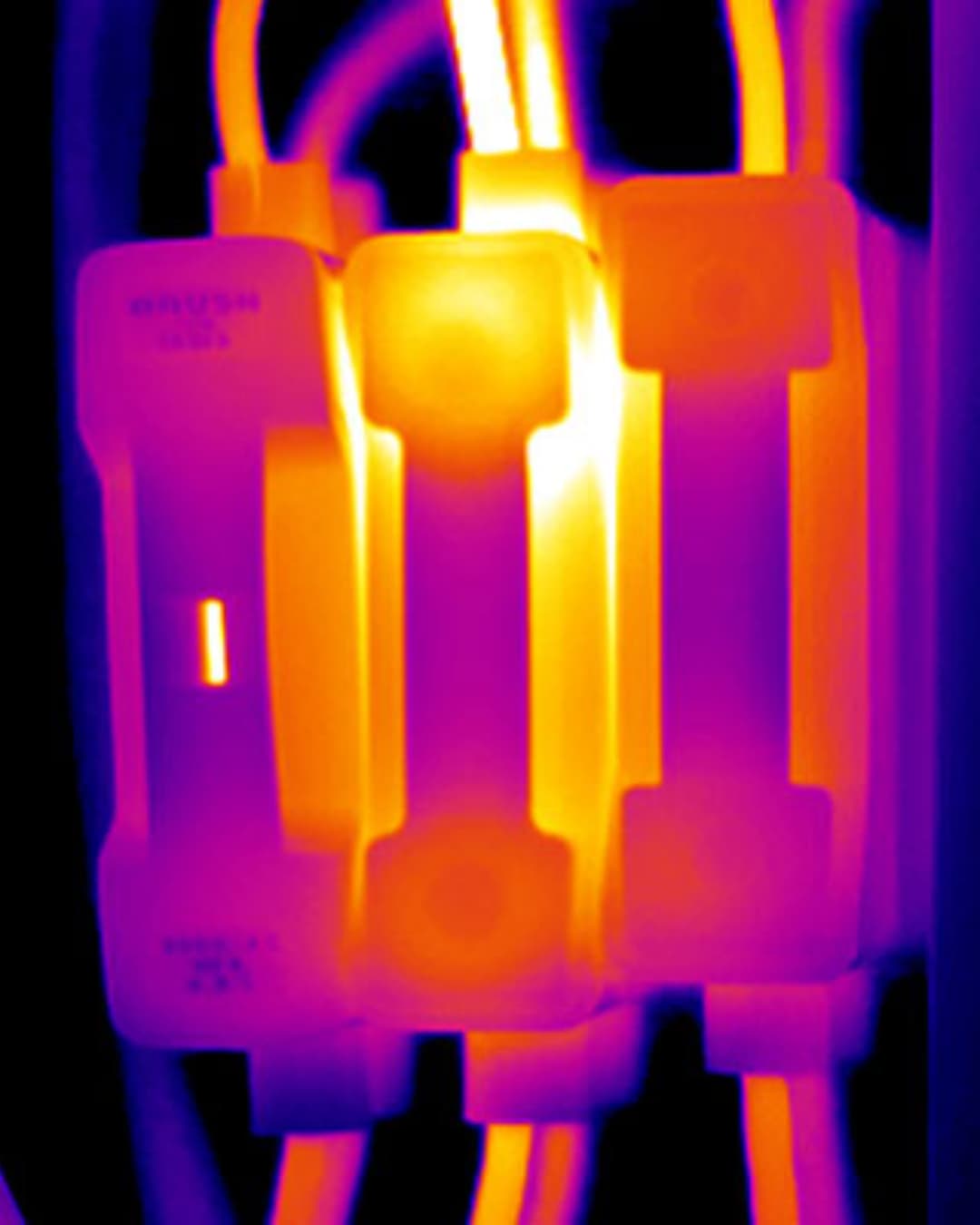
Poor contact can create localised resistance and heat around terminals, joints or connection points.

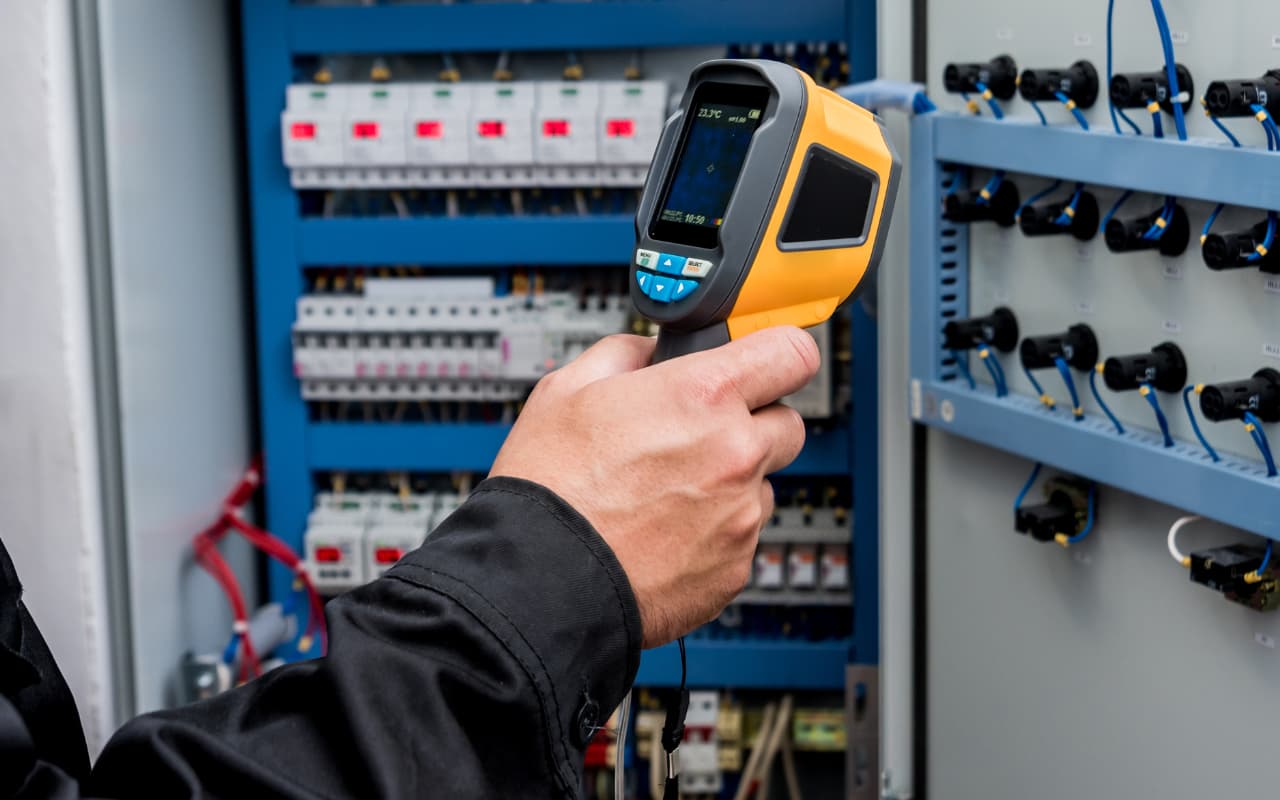
Use thermal imaging to identify abnormal heat in live electrical equipment before it causes disruption, damage or an avoidable outage.





Loose connections, overloaded components and deteriorating equipment can generate abnormal heat before there is an obvious visible sign. That heat can be captured while the system is operating under its normal load.
Thermal imaging gives facilities teams a clearer basis for preventative action. It complements your fixed wire testing and maintenance programme, helping you target further investigation where it matters most.
Live
Under-Load Survey
Visual
Thermal Evidence
Targeted
Remedial Priorities
Condition-Led Maintenance
Prioritise attention using real temperature evidence from operating equipment.
A thermal image is evidence, not a diagnosis on its own. Our engineers interpret the pattern in the context of the equipment, load and surrounding conditions.
Poor contact can create localised resistance and heat around terminals, joints or connection points.
Unexpected temperature rise may indicate that a circuit or component is carrying more demand than intended.
Comparing similar phases or components can highlight an unusual temperature difference that needs investigation.
Contactors, breakers, fuses and other equipment may show abnormal heat as their condition changes.
Thermal evidence can direct attention to an issue that has not yet produced visible damage.
Images, temperatures and locations create a practical record for maintenance planning and follow-up.
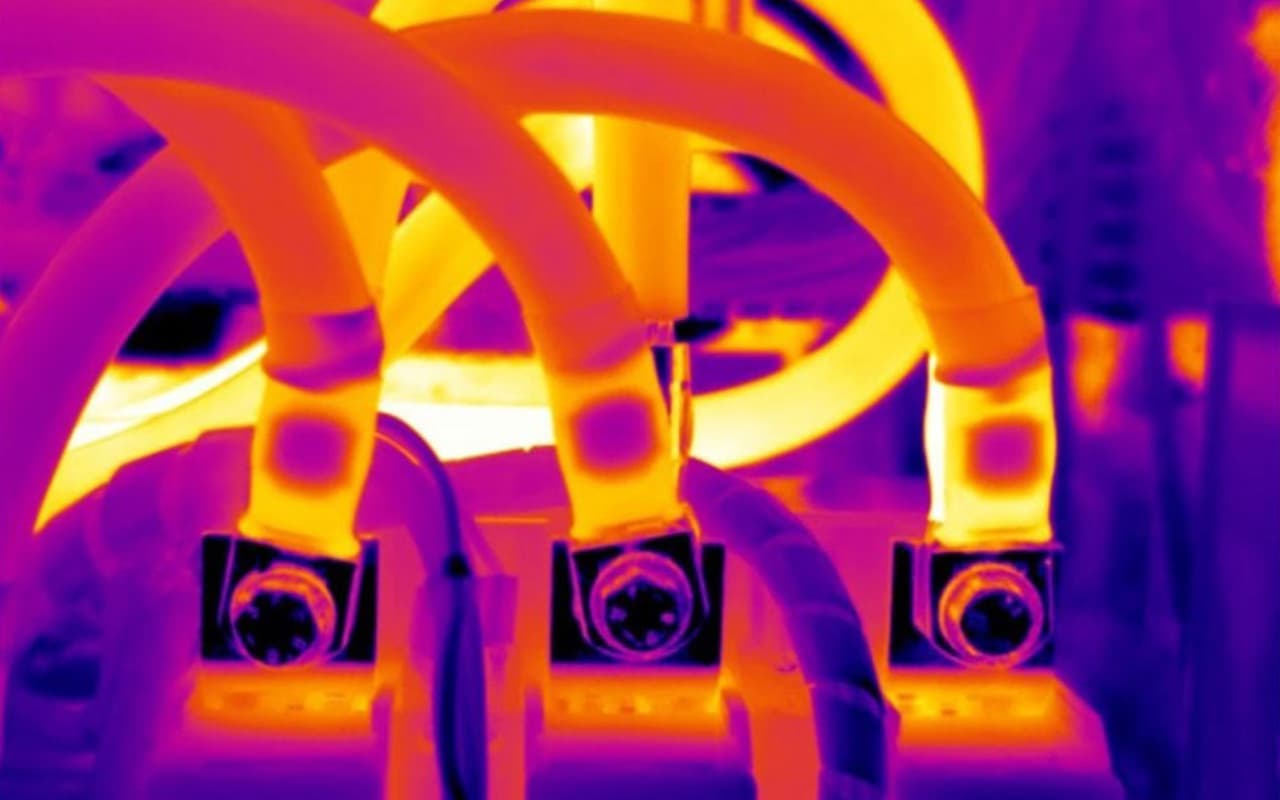
Thermal imaging is most useful when equipment is operating under a representative load. Consider a survey in these situations.
Before seasonal lighting or heating demand increases
After significant equipment, layout or load changes
Where breakers trip or faults keep returning
For critical boards where an outage would disrupt operations
When heat, odour or noise has been reported without a clear cause
As part of a planned condition-monitoring programme
The value is not just the image. It is the engineering context, reporting and response that follow it.
We agree the equipment, access and representative operating conditions.
The engineer records thermal images and supporting visual information.
Temperature patterns are reviewed against load, equipment and site context.
You receive clear priorities for investigation, repair or future monitoring.
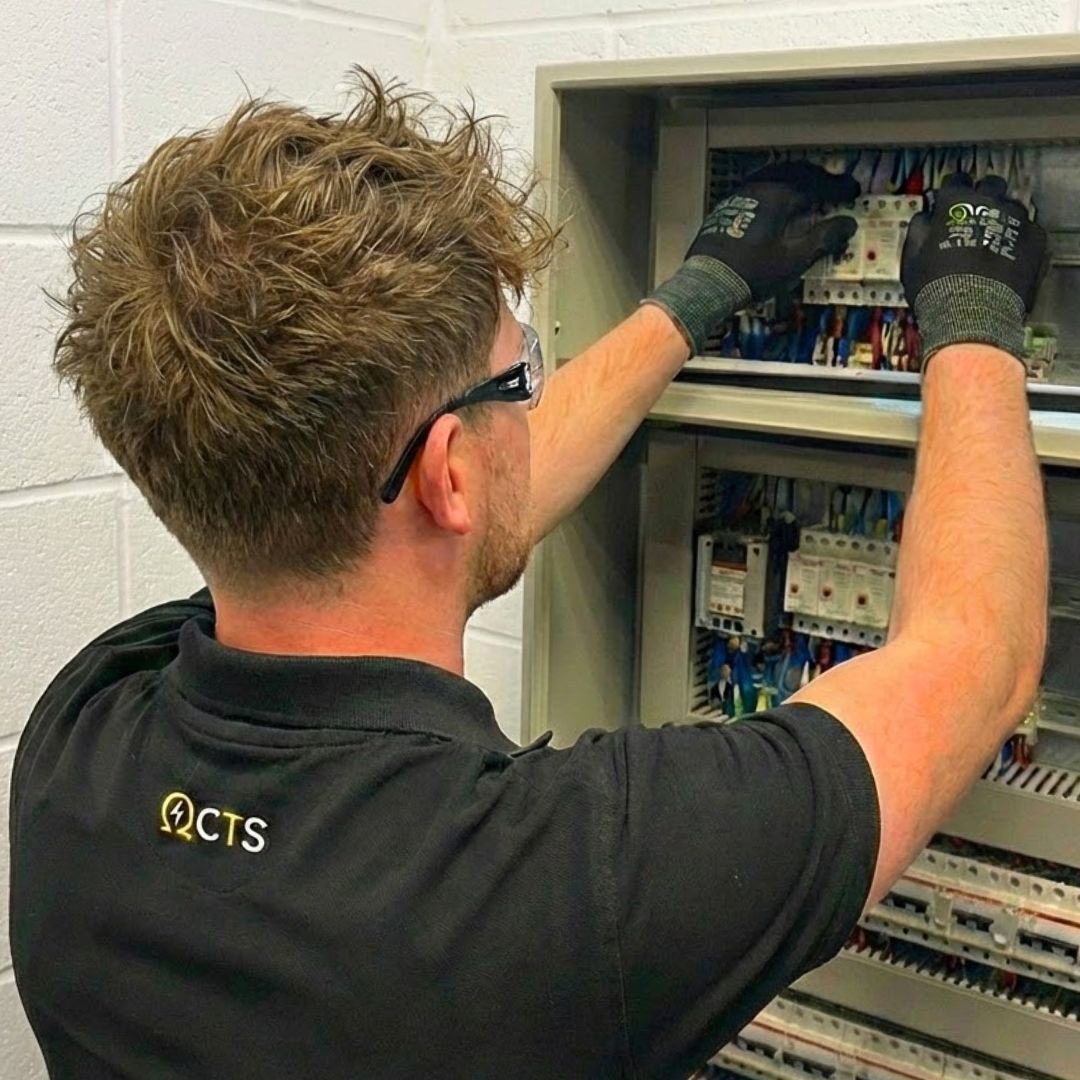
Thermography does not replace fixed wire inspection or electrical testing. Used together, these services provide a stronger view of installation condition, developing heat and the action needed to keep the site reliable.
The survey is normally completed while the selected equipment is live and carrying a representative load. Any covers, access or follow-up work must still be handled through an appropriate safe system of work.
No. Thermal imaging and fixed wire testing answer different questions. Thermography highlights abnormal heat while an EICR assesses the condition and safety of the fixed installation.
The scope may include distribution boards, switchgear, control panels and other suitable electrical equipment. We confirm what can be surveyed safely before the visit.
The report identifies surveyed equipment, records relevant images and explains any temperature patterns that require investigation, repair or monitoring.
Yes. Our electrical team can investigate findings, quote for remedial work and update the maintenance record when repairs are complete.
Tell us about your premises and preferred timing. A CTS specialist will review your enquiry and contact you directly.
Talk directly to our Lisburn team about scope, access, testing or the best next step for your premises.

Thank you for your enquiry. We will be in touch shortly.